Zen monk
Eisai
栄西 · 1141–1215 · Heian to Kamakura period
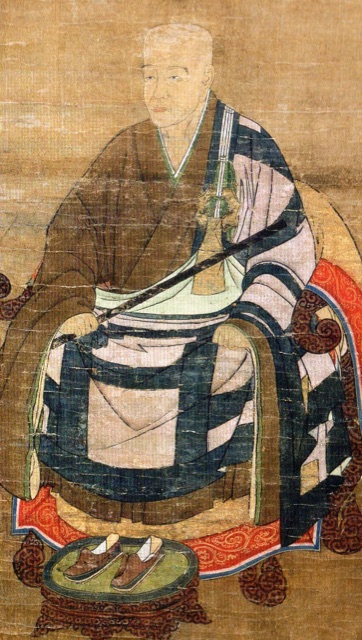
Eisai (栄西) was the Buddhist monk who brought both Zen and tea to Japan in a serious way. Two of the things most associated with Japanese culture today — Zen practice and the cup of green tea — owe a great deal to his travels to China and back.
The monk who brought Zen home
Eisai trained as a monk in Japan but felt something was missing, so he made the dangerous sea voyage to China to study. There he learned the Rinzai school of Zen Buddhism, with its focus on meditation and sudden insight. Back home he founded temples to teach it, including Kennin-ji in Kyoto, and became the figure who planted Zen firmly in Japanese soil — a way of practice that would go on to shape everything from painting to swordsmanship to the tea ceremony.
Tea as medicine
Eisai also brought back tea seeds and the habit of drinking powdered green tea, matcha, which monks used to stay awake and alert during long hours of meditation. He wrote a book, Kissa Yōjōki, "Drinking Tea for Health," arguing that tea was good for the body and the spirit alike. It is often called Japan's first book about tea. From these beginnings in the monasteries, tea slowly spread outward until, centuries later, it became the tea ceremony.
Portrait: Public domain · via Wikimedia Commons
