Eighth Ashikaga shogun
Ashikaga Yoshimasa
足利義政 · 1436–1490 · Muromachi period
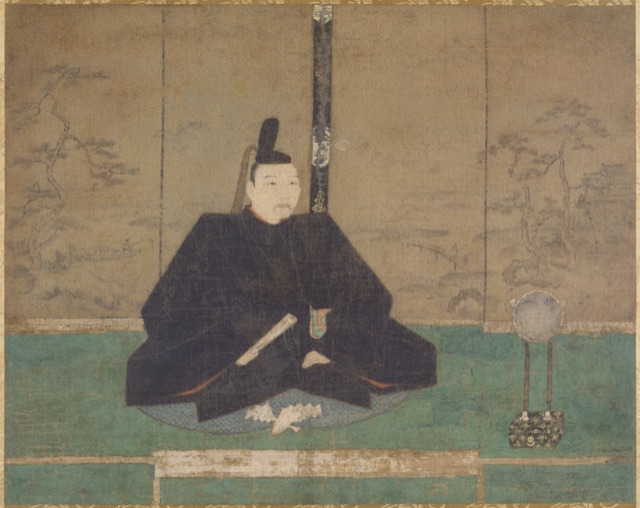
Ashikaga Yoshimasa (足利義政) was a weak shogun but a great patron of the arts. As a ruler he was close to a disaster; as a lover of beauty he helped shape Japanese taste for good. Much of what the West thinks of as "classic" Japanese culture — the tea ceremony, ink painting, the rock garden — took its refined form under him.
A ruler who would rather make beauty
Yoshimasa had little taste for governing. He left much of the running of the country to others, and a fight over who would succeed him helped set off the Ōnin War, a ten-year conflict that burned much of Kyoto to the ground. Tired of politics, he stepped back from power and poured himself into art instead. He built the Silver Pavilion, Ginkaku-ji, as a quiet retreat, and gathered around him the masters of tea, garden design, painting, and flower arranging. The refined, understated style of this circle is now called Higashiyama culture, after the hills where he lived.
The bowl that came back ugly
A famous story ties Yoshimasa to kintsugi, the art of mending broken pottery with gold. His favourite tea bowl cracked, so he sent it to China to be repaired. It came back stapled together with ugly metal staples, and he was so unhappy that Japanese craftsmen looked for a more beautiful way to fix it. Their answer — joining the pieces with lacquer and gold, so the crack becomes the loveliest part of the bowl — grew into kintsugi. The tale may be more legend than fact, but it fits the man: someone who turned a broken thing into something better.
Portrait: Attributed to Tosa Mitsunobu · Public domain · via Wikimedia Commons
