Shogun, unifier of Japan
Tokugawa Ieyasu
徳川家康 · 1543–1616 · Azuchi–Momoyama to Edo period
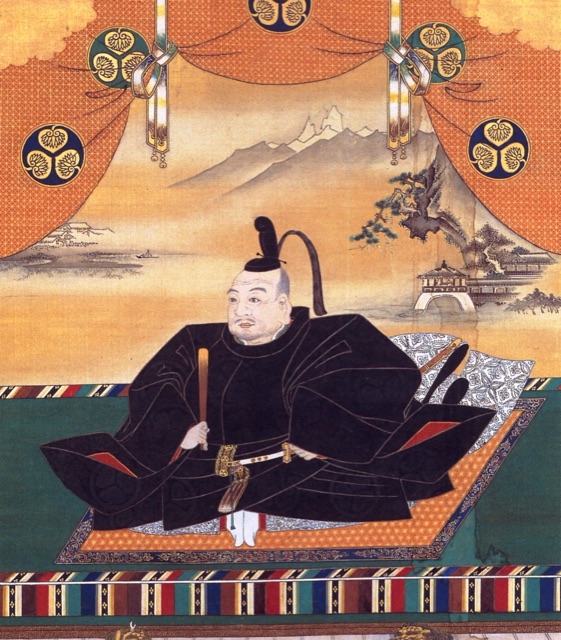
Tokugawa Ieyasu (徳川家康) ended a hundred years of civil war and founded the family that would rule Japan in peace for more than 250 years. He was patient where his rivals were reckless, and of the three great warlords who unified the country, he was the last one standing — and the one who managed to keep what the others had won.
The patience that won
Ieyasu was a minor lord, held hostage as a boy. For decades he served as ally and follower to the warlords Oda Nobunaga and Toyotomi Hideyoshi, waiting for his moment. When Hideyoshi died, he took it: at the Battle of Sekigahara in 1600 he broke the opposing side in a single day, and in 1603 the emperor made him shōgun. A well-known saying compares the three men by how each would handle a cuckoo that won't sing — Nobunaga would kill it, Hideyoshi would coax it, and Ieyasu would just wait until it sang on its own.
The god of Nikkō
From his new capital at Edo — today's Tokyo — Ieyasu set up a system of rules that kept the country stable for generations. After he died, he was enshrined as a god, Tōshō Daigongen, at the mountain shrine of Nikkō, where his grandson built the bright, gold-and-lacquer Tōshō-gū in his honour. The quiet warlord became a god watching over the peace he had built.
Portrait: Kanō Tan'yū · Public domain · via Wikimedia Commons
